What happens during a free claim assessment?
When you have been injured in an accident that was not your fault, the first step toward seeking compensation is often a free claim assessment. This initial conversation with a legal professional gives you a clear picture of where you stand without any financial commitment. You get to explain what happened, ask questions, and find out whether you have a valid case worth pursuing.
The assessment is designed to be straightforward. You do not need to have all your paperwork ready or know the legal terms. The solicitor or claims adviser will guide the discussion, asking about the accident, your injuries, and how they have affected your daily life. They will also check key details such as the date of the accident, whether anyone else was involved, and if the other party has admitted fault. This is the moment to be as honest and thorough as you can, because the quality of the information you provide shapes the advice you receive.
One of the first things the adviser will consider is whether your claim falls within the time limits set by law. In Scotland, most personal injury claims must be raised within three years from the date of the accident or from the date you first became aware of your injury. If you were injured and did not realise the full extent of the harm until later, the clock may start from that later date. The adviser will ask about the exact date of the accident and any treatment you have had since, so they can confirm you still have time to make a claim. Missing this deadline can mean losing your right to compensation entirely, so this check is critical.
Next, the adviser will want to understand liability. Liability means who was legally responsible for the accident. You will be asked to describe how the incident happened in your own words. If there were witnesses, their names and contact details will be helpful. The adviser may also ask whether a police report was filed, especially in a road traffic accident, or whether an accident report was completed at work or in a public place. Photographic evidence of the scene, your injuries, or any hazardous condition that caused the accident can strengthen your case. The adviser will note what evidence you already have and what might still need to be gathered.
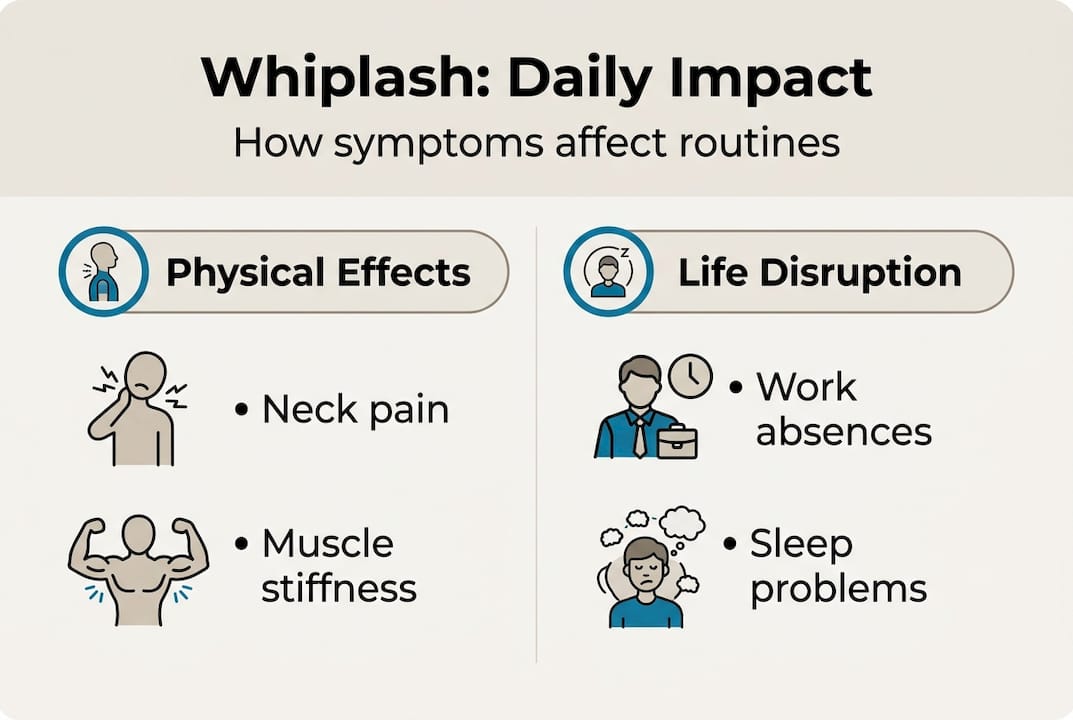
Medical evidence is the backbone of any injury claim. The adviser will ask about the injuries you sustained, the treatment you received, and any ongoing symptoms. If you saw a doctor, attended a hospital, or visited a physiotherapist, those records will be important. For example, someone seeking whiplash compensation in Scotland will need medical reports that confirm the diagnosis and describe how the injury affects their ability to work, sleep, or carry out everyday tasks. The adviser may arrange for an independent medical examination later, but during the assessment they simply want to know the nature and severity of your injuries so far.
The financial impact of your injury is also covered during the assessment. You will be asked about any time off work, loss of earnings, travel costs for medical appointments, and expenses for care or help around the house. Even small costs add up, and the adviser will want a realistic picture so they can estimate the potential value of your claim. This part of the conversation is not about putting a final figure on your case, but about understanding the full scope of what you have lost because of the accident.
Once the adviser has gathered these details, they will give you an honest opinion on the strength of your case. They will explain the legal basis for your claim, the likely steps ahead, and the potential outcomes. If your case appears strong, they will talk about how to proceed on a no win no fee basis, which means you pay nothing upfront and only pay a success fee if you win. If your case looks weak or unlikely to succeed, they will tell you that too, saving you time and stress.
A free claim assessment is not a binding commitment. You can walk away after the conversation with no cost or obligation. Many people find that simply talking through the facts with a knowledgeable person helps them feel clearer about what to do next. The adviser is not there to pressure you, but to inform you so you can make your own decision.
After the assessment, if you decide to proceed, the next stage is formal claim notification. The solicitor will send a letter to the person or organisation responsible for your accident, setting out the details of your claim and inviting them to accept liability. This starts the legal process, but the earlier assessment remains the foundation. The information you provided during that first chat shapes the entire claim, from the medical evidence requested to the compensation you eventually seek.
For anyone who has suffered an injury in Scotland, understanding what happens during a free claim assessment can remove much of the anxiety around starting a claim. It is a practical, low-pressure way to learn whether you have a case worth pursuing, what it might involve, and how long it could take. Whether your injury is whiplash from a car crash, a slip in a supermarket, or an accident at work, the assessment gives you the facts you need to decide your next move.
A common concern people have is that the adviser will push them into a claim they do not really want. In reality, the opposite is true. A professional assessment is about helping you see the full picture, including the risks. If your case is straightforward and liability is clear, the adviser will say so. If there are complications, such as a dispute over who was at fault or a delay in seeking medical help, those will be discussed openly. You are never locked into anything after the assessment.
Another point worth knowing is that a free claim assessment does not require you to have a solicitor already in mind. Many legal firms and claims companies offer this service as a way for people to test the waters. You can call, fill in an online form, or visit an office. The conversation is confidential, and anything you say is protected by legal privilege, meaning it cannot be used against you later.

Whiplash compensation in Scotland is a common reason people seek a claim assessment, but the process is similar for any personal injury. The adviser will listen, ask questions, and then give you a realistic view of your chances. By the end of the session, you will know whether you have a valid claim, what evidence is needed, and what the next steps would be if you choose to go ahead. That clarity alone is valuable, especially when you are already dealing with pain, recovery, and disruption to your normal life.
A free claim assessment is not a legal proceeding or a courtroom drama. It is a conversation between you and someone who understands the system, designed to turn your experience into a clear plan. If your injury has left you unsure what to do next, that first call or meeting can be the most important step you take.